Application
Water quality monitoring and analysis
Water quality monitoring measures the parameters a supply or a discharge is judged on: pH, turbidity, dissolved oxygen, and the oxygen-demand and organic-carbon measures COD, BOD and TOC. Which ones you monitor follows from the regime that sets your limits, and from how quickly you need the answer.
Water quality: parameter selection
| Parameter | Suits |
|---|---|
| ParameterpH | SuitsDrinking water: 6.5 minimum to 9.5 maximum at consumers’ taps |
| ParameterTurbidity | SuitsDrinking water: 1 NTU at the treatment works, 4 NTU at consumers’ taps |
| ParameterDissolved oxygen | SuitsMeasured directly. The BOD reference method is itself a dissolved oxygen determination |
| ParameterCOD | SuitsUrban waste water: 125 mg/l O2. Dichromate oxidation, no incubation period |
| ParameterBOD | SuitsUrban waste water: 25 mg/l O2. Five days at 20°C in darkness, so compliance not control |
| ParameterTOC | SuitsDrinking water: judged on no abnormal change, so a trend rather than a threshold |
Our approach
How we specify water quality monitoring
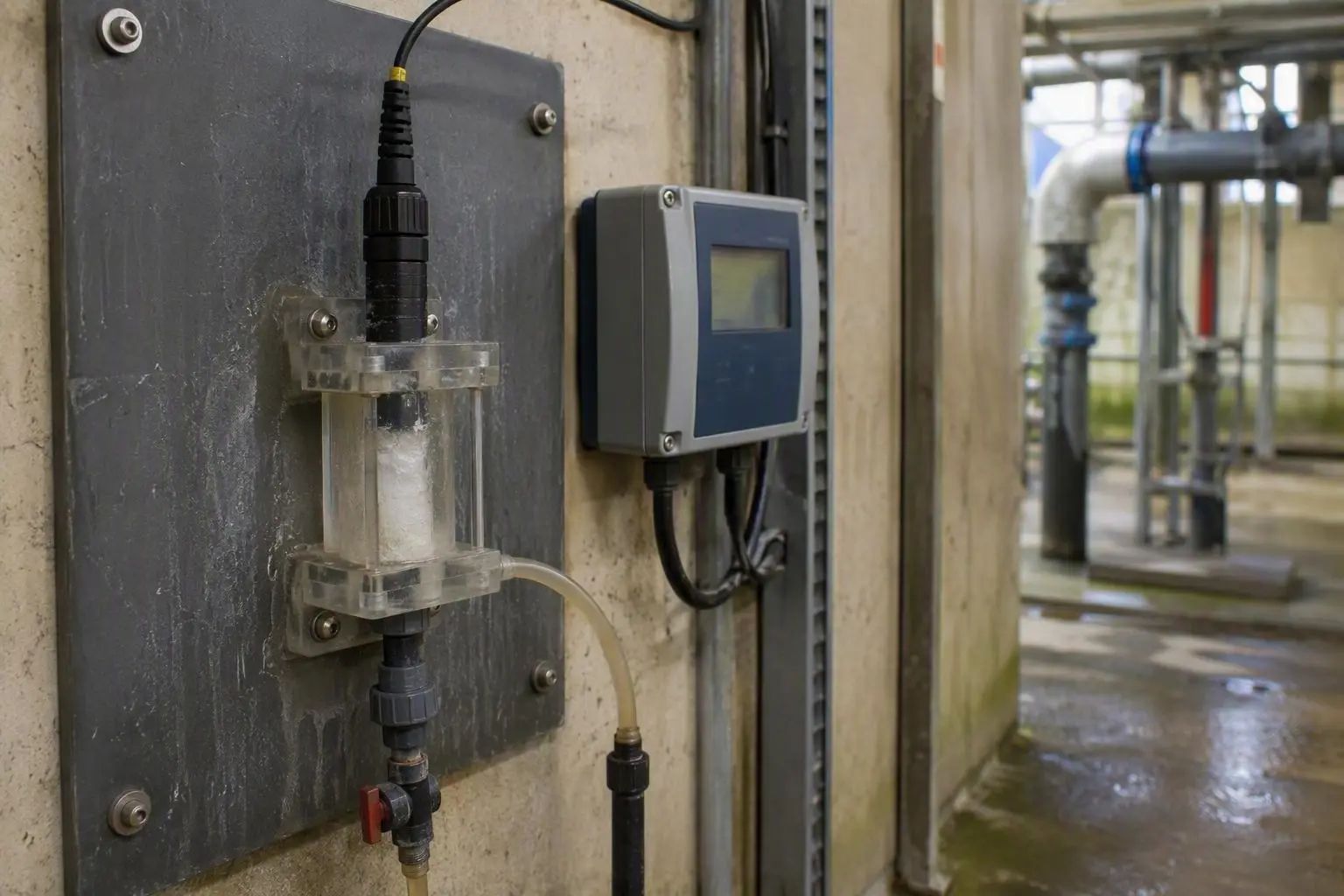
BOD is the number a discharge consent is written against, and the reference method takes five days in the dark to produce it. COD and TOC answer the same question about oxidisable load quickly enough to act on, which is why a plant reports one and controls on the others. Online analysers feed the control system, so dosing and aeration track the measurement.
Sectors we serve
Water quality monitoring, sector by sector
What you measure, and what you are judged against, changes with the sector and the consent.

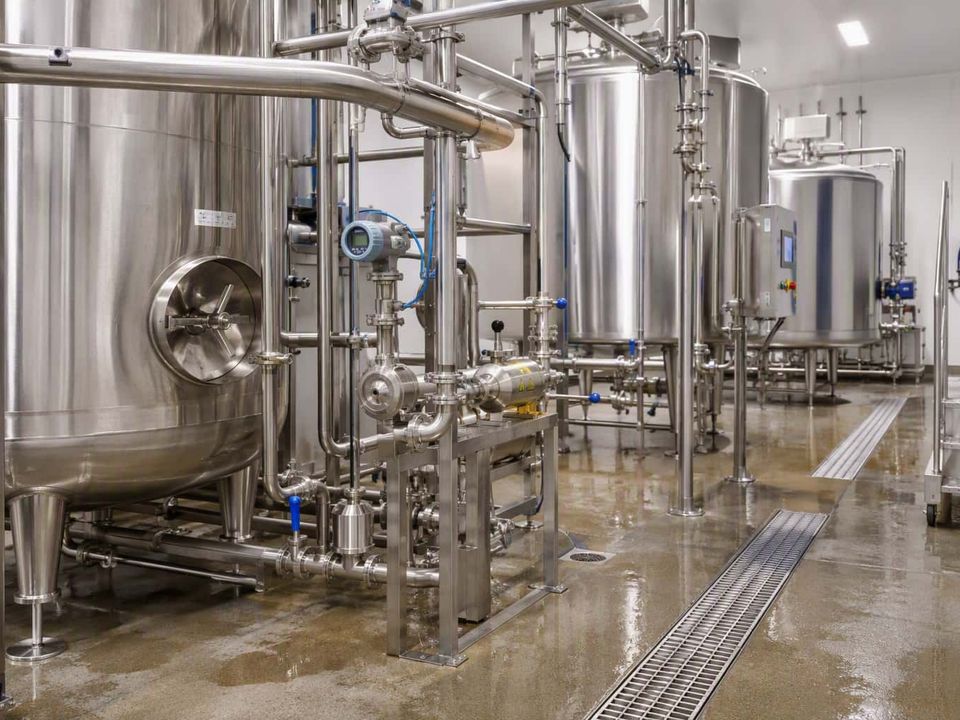
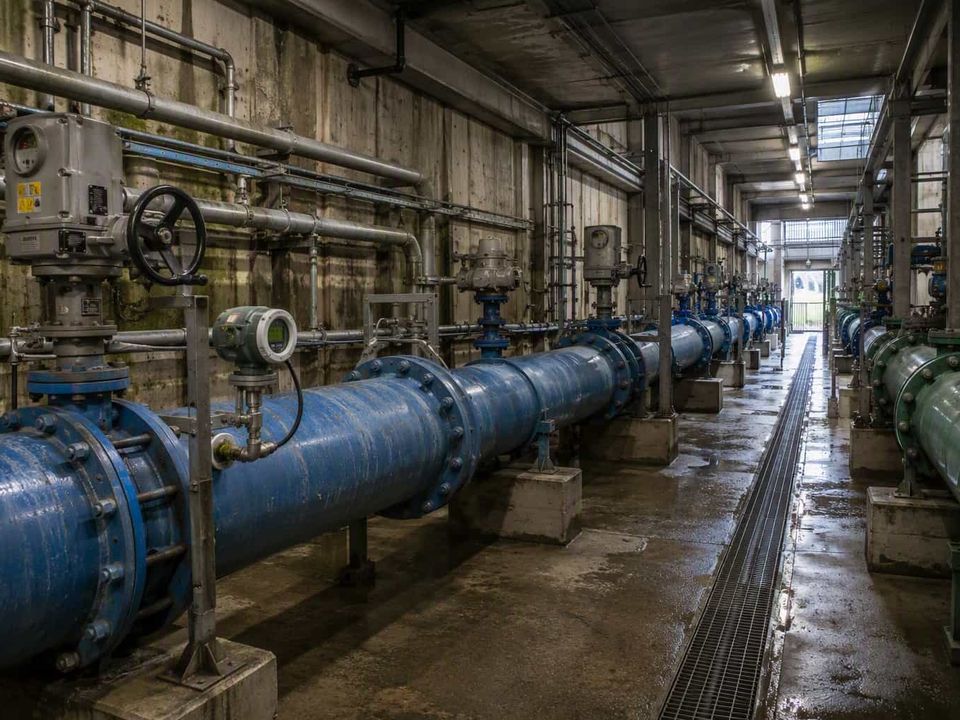
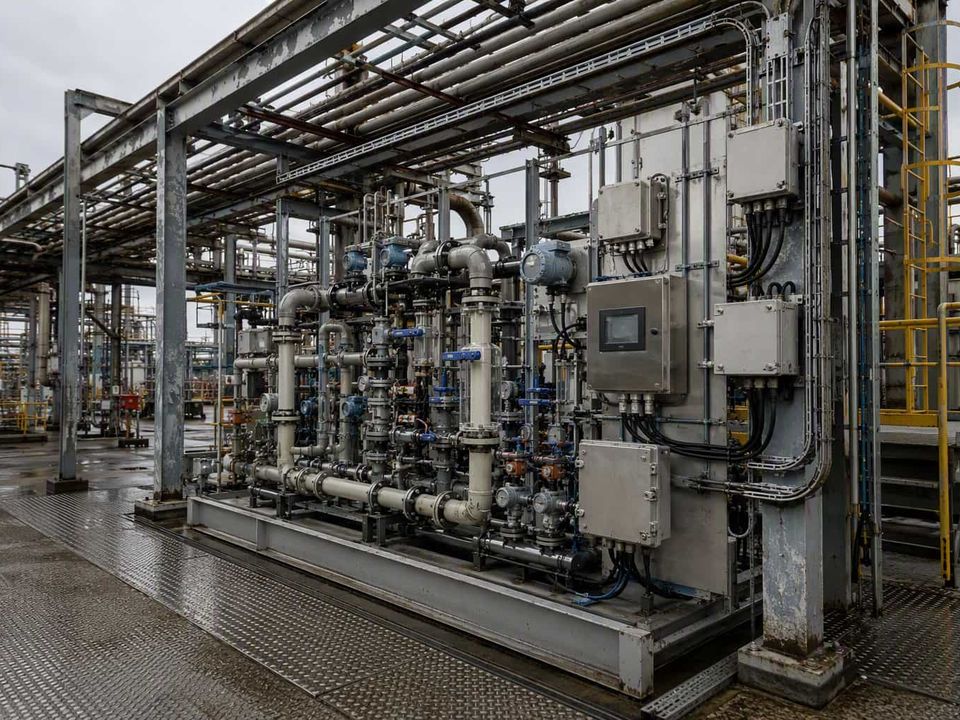
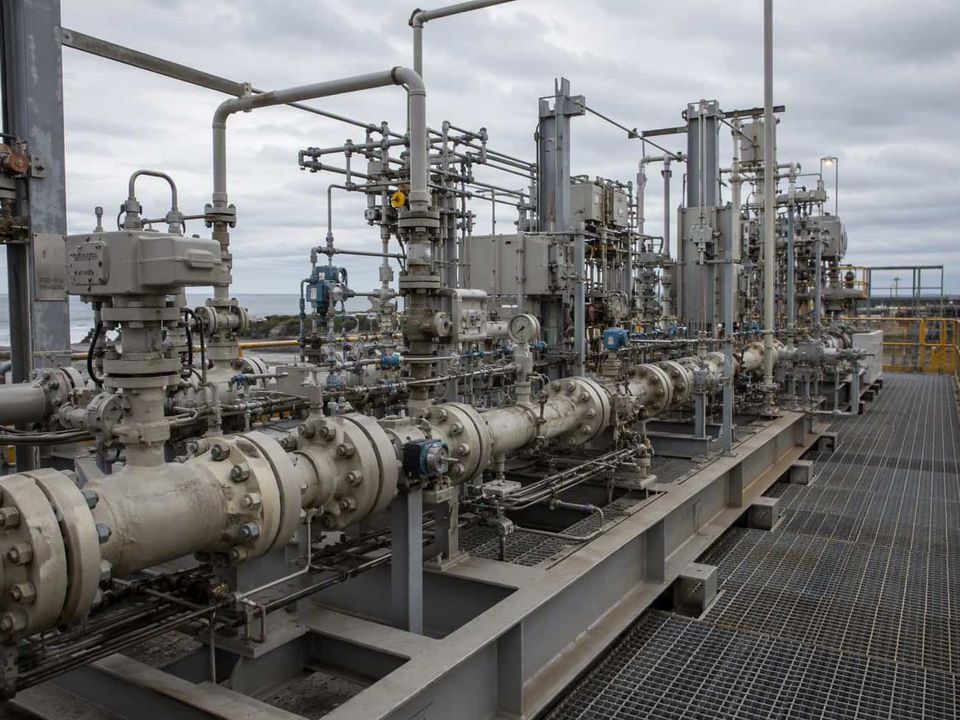
On the plant
Partners
Manufacturers whose range covers water quality monitoring. Which of their products we supply depends on the duty, so send us the detail and we’ll specify to it.

FAQ
Common questions
What is the difference between BOD and COD?
Both measure oxidisable load. The BOD reference method determines dissolved oxygen before and after five days of incubation at 20°C in complete darkness, while the COD method oxidises the sample with potassium dichromate and needs no incubation. BOD is what an urban waste water consent is written against; COD returns an answer you can act on.
Why is turbidity measured at the treatment works and again at the tap?
The drinking water regulations set two limits at two named points of compliance: 1 NTU at the treatment works, and 4 NTU at consumers’ taps.
Why monitor TOC when there is no numeric limit?
The drinking water regulations judge total organic carbon on no abnormal change at the supply point, rather than against a threshold. A parameter judged on trend has to be measured often enough to show one.
We’ll specify the analyser to what you report against
Send us the parameters you report, the limits they are judged against and the sample conditions, and we’ll recommend the instrument that suits and quote for it.