Application
Pressure measurement & instrumentation
Pressure measurement instrumentation monitors the force a fluid or gas exerts in a system, using transmitters, gauges and switches. The right device depends on range, media compatibility, accuracy and whether you need a local read, a signal, or a switching action.
Pressure: device selection
| Technology | Suits |
|---|---|
| TechnologyTransmitters | SuitsContinuous signal for control and monitoring |
| TechnologyGauges | SuitsLocal visual read, no power needed |
| TechnologySwitches | SuitsTrip/alarm at a set point |
| TechnologyDifferential pressure | SuitsFlow, level and filter-condition inference |
Our approach
How we specify pressure measurement
Pressure underpins flow, level and safety interlocks across a plant. We specify transmitters, gauges and switches matched to your range and media, with hazardous-area rating where the zone demands it. The transmitter’s signal is what the control system runs on, so output, range and protocol are specified with the device.
Sectors we serve
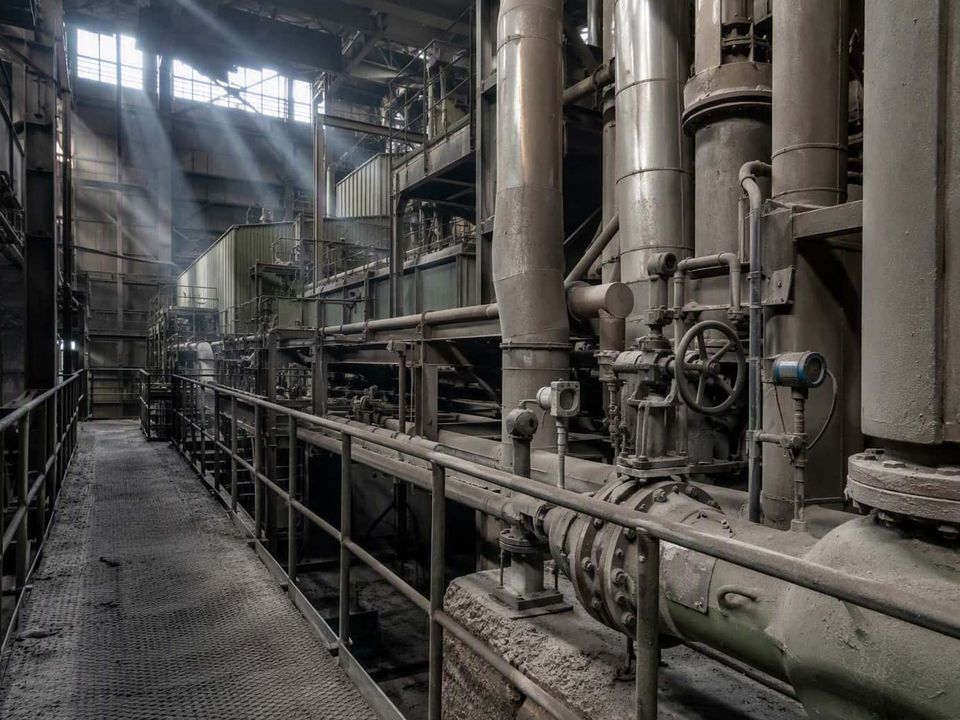
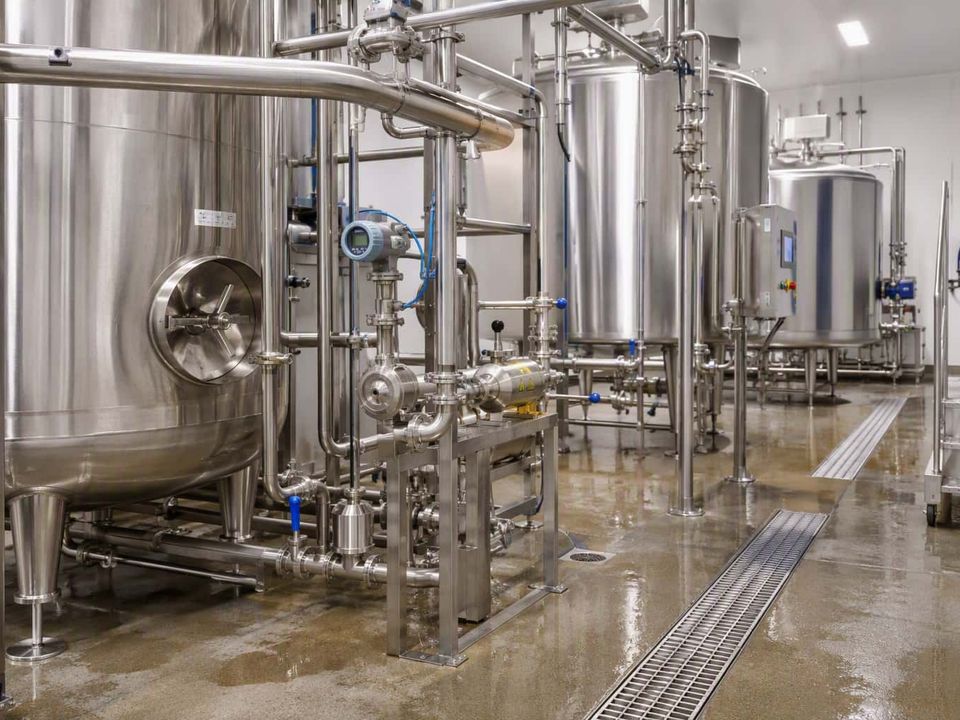
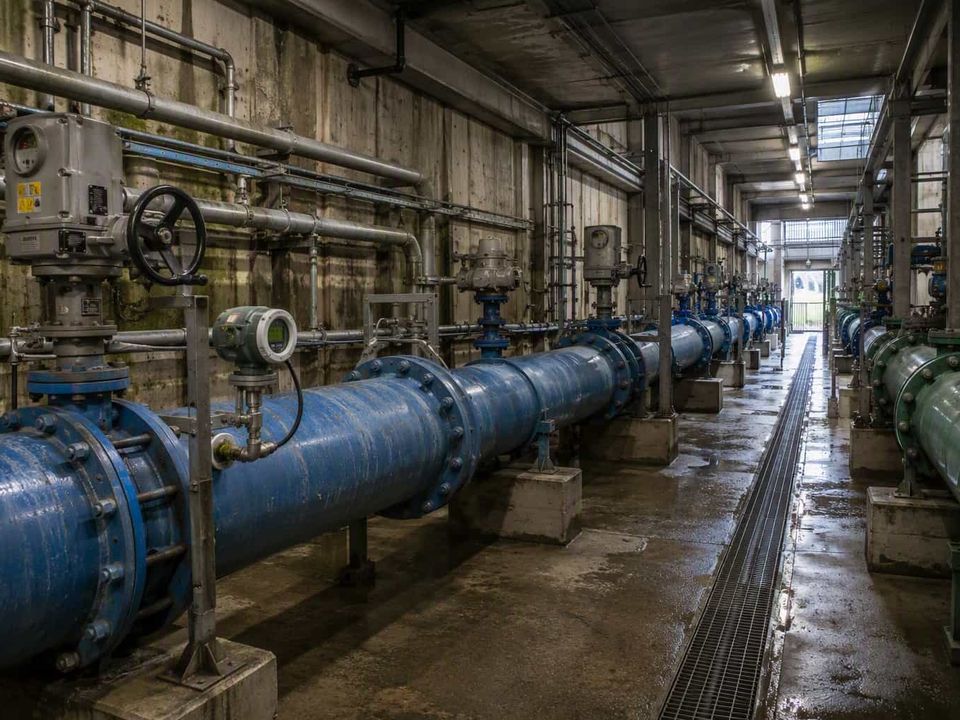
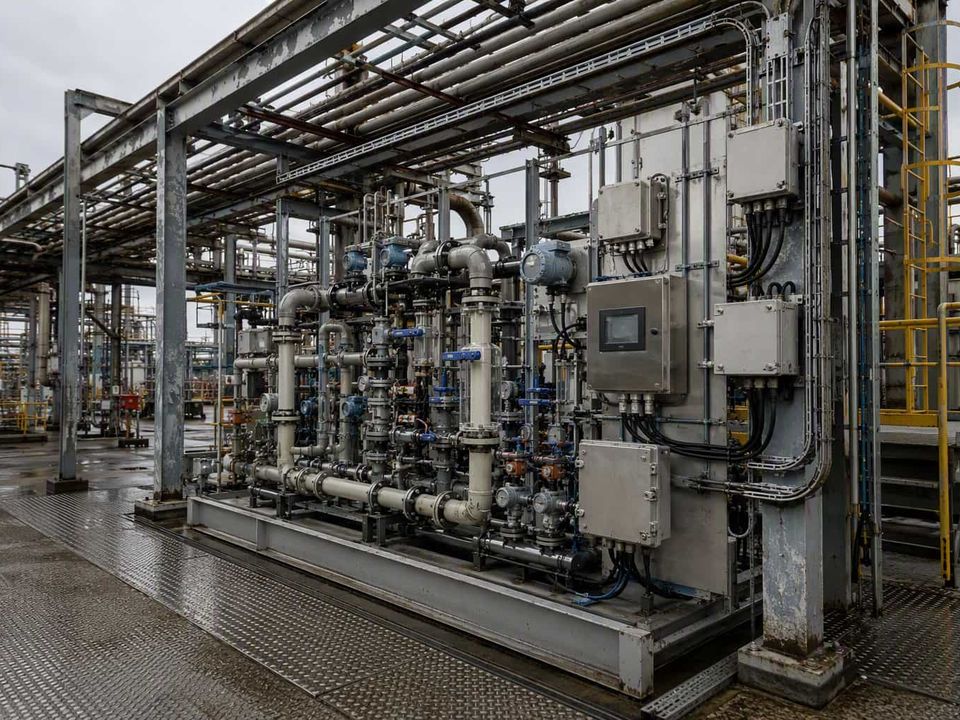
Pressure measurement, sector by sector
Range, media and area classification vary by sector, and so does the device that suits them.
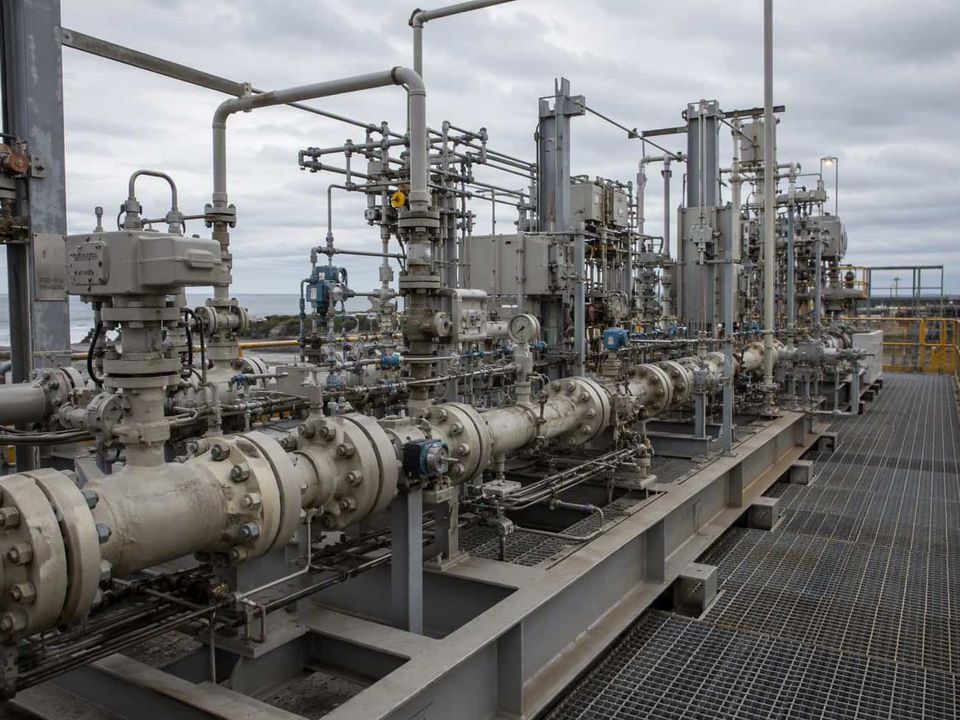
On the plant
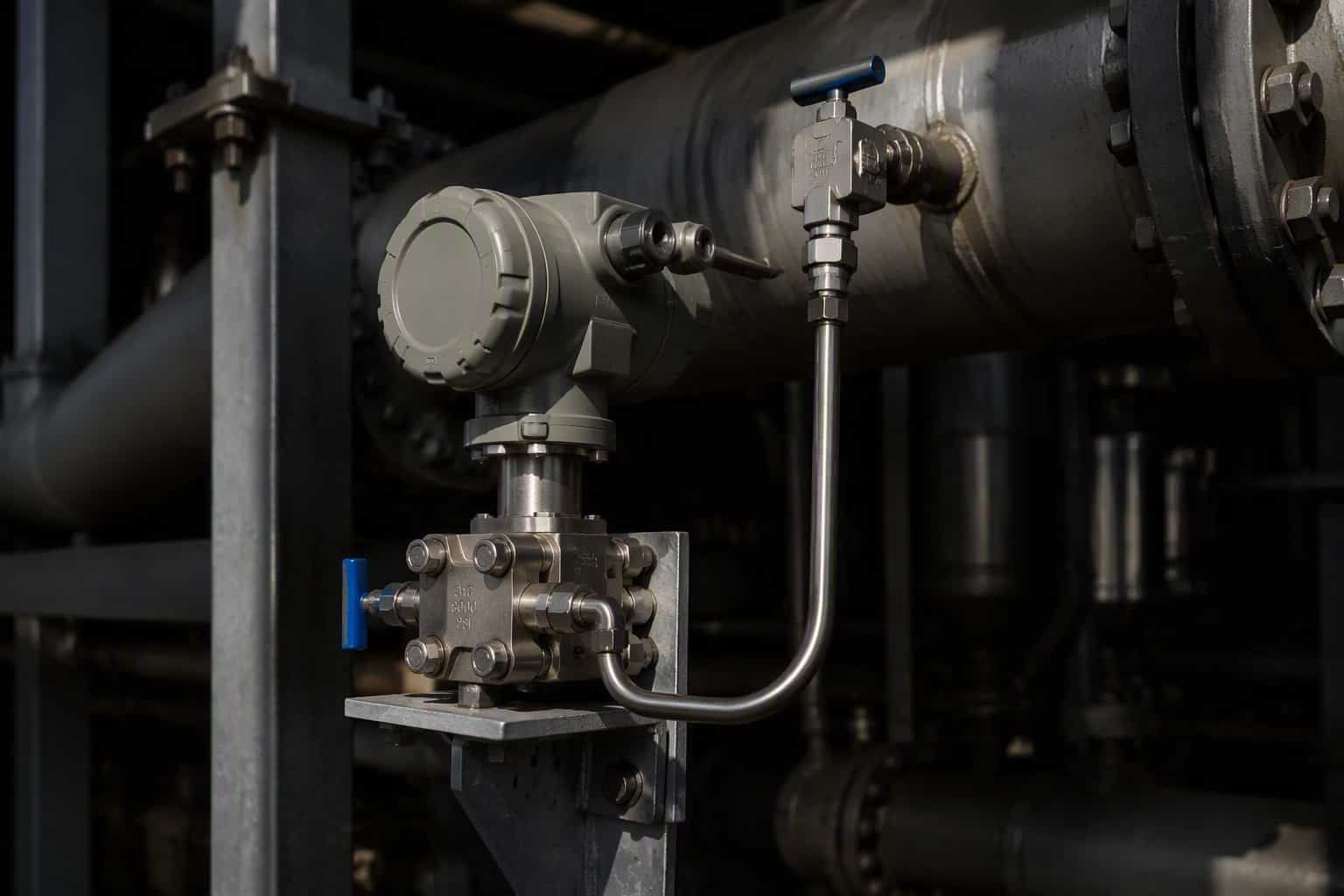
Partners
Manufacturers whose range covers pressure measurement. Which of their products we supply depends on the duty, so send us the detail and we’ll specify to it.


FAQ
Common questions
What’s the difference between a pressure transmitter and a gauge?
A transmitter outputs an electrical signal for control systems; a gauge gives a local visual read. Many plants use both.
Do pressure instruments need ATEX rating?
In classified hazardous areas, yes, matched to the zone.
We’ll specify the pressure instrument to your duty
Send us the range and the area classification, and we’ll recommend the device that suits and quote for it.