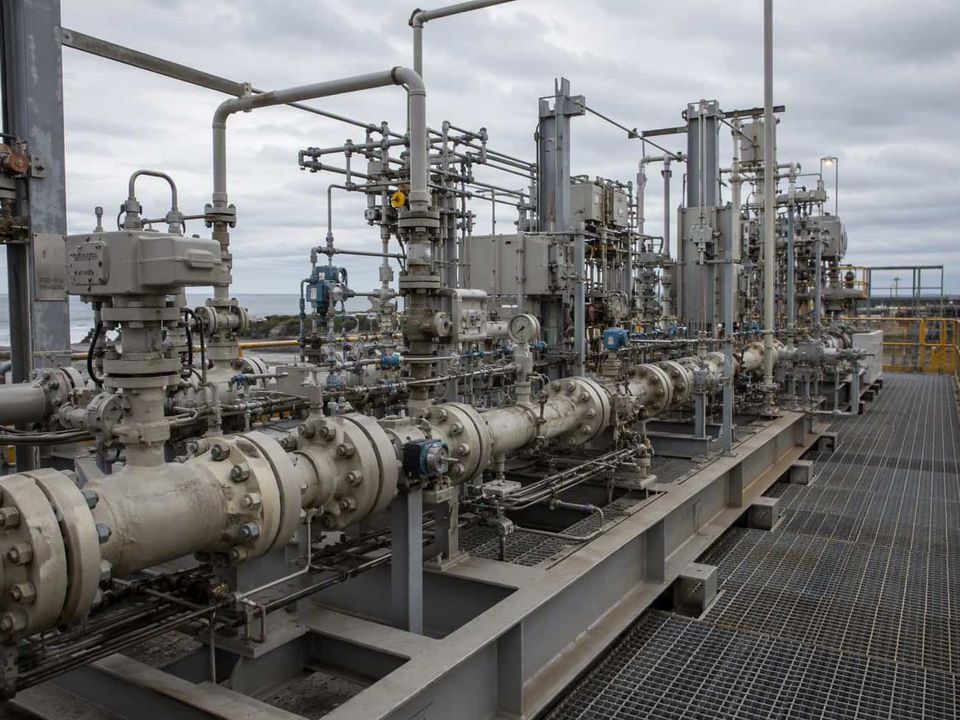
Major dairy processor
Resolving unstable steam control at a dairy
The valves looked correctly specified on paper. Resizing them ended what the dairy called steam wobble.
Read the case studyApplication
Control and isolation valves do two different jobs. An isolation valve is either open or shut, and is specified for tight shut-off at low pressure drop. A control valve throttles, holding a set flow, pressure or temperature at a position between the two, with its flow characteristic matched to the duty.
| Technology | Suits |
|---|---|
| TechnologyBall valve | SuitsQuarter-turn isolation on a full-bore flow path. Throttling wears ball and seats |
| TechnologyButterfly valve | SuitsLarge-bore isolation where space is tight. Shut-off less tight than other types |
| TechnologyGate valve | SuitsStraight-through isolation at minimal pressure drop when open. On/off only |
| TechnologyGlobe valve | SuitsThrottling and control, with the flow characteristic matched to the duty |
| TechnologyDiaphragm valve | SuitsAggressive fluids and liquids carrying solids, within the diaphragm temperature limit |
| TechnologyCheck valve | SuitsNon-return. Protects pumps, meters and control valves from reverse flow |
Our approach
The type follows the duty. Shutting a line off and holding a set point are different requirements, and a valve chosen for one is usually a compromise at the other. We specify to the media, the line size, the pressure and temperature it sees, and the area classification. Actuation that reports position and diagnostics to the control system is what lets a loop be tuned, and a tuned loop runs the process efficiently.
Sectors we serve
Media, pressure and area classification differ by sector, and so does the valve that suits them.
Case studies
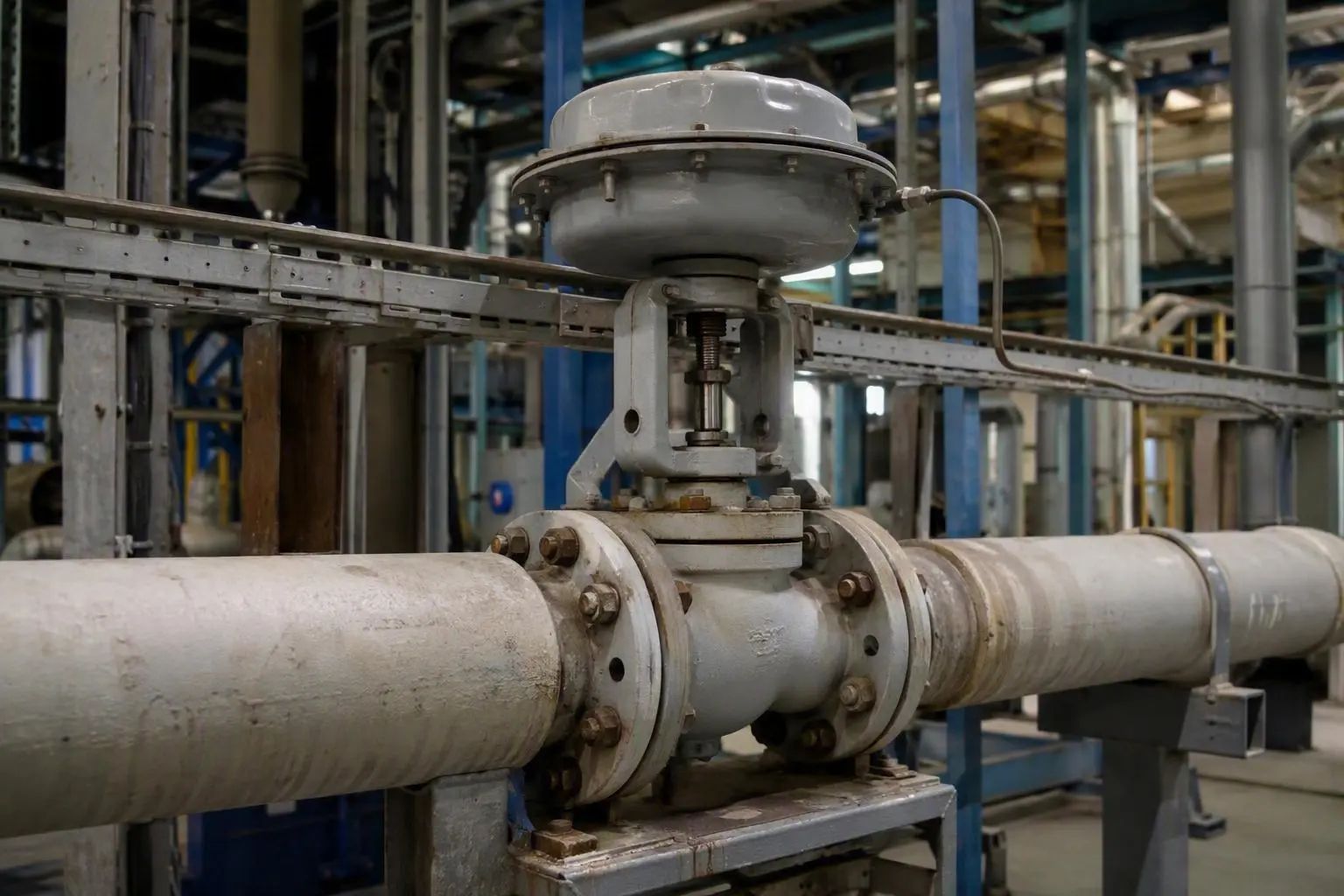
Major dairy processor
The valves looked correctly specified on paper. Resizing them ended what the dairy called steam wobble.
Read the case studyManufacturers whose range covers control and isolation valves. Which of their products we supply depends on the duty, so send us the detail and we’ll specify to it.





FAQ
An isolation valve is either open or shut, and is specified for tight shut-off at low pressure drop. A control valve throttles: it holds a position between open and shut so that flow, pressure or temperature stays at a set point.
It is not the duty a standard ball valve is built for. Held part-open, high-velocity flow reaches a small area of the ball and the seats, and both deteriorate early. A globe valve suits throttling, and ball valves built for control carry characterised balls or seats.
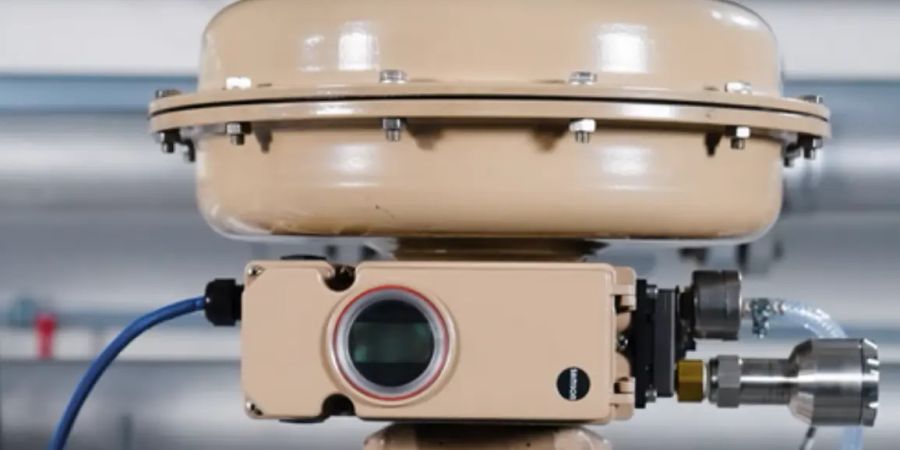
Pneumatic actuation is intrinsically safe, closes against high differential pressure, and fails closed if the air or the signal is lost. Electric actuation suits sites with no air supply, and spring-return versions give the same fail-safe action on power or signal failure.
Send us the media, the line size and the pressure and temperature it sees, and we’ll recommend the valve that suits and quote for it.