Application
Temperature measurement & sensors
Temperature measurement instrumentation tracks process temperature using sensors such as RTDs and thermocouples, paired with transmitters and protective assemblies. The right choice follows the temperature range, accuracy needed, response time and the environment the sensor sits in.
Temperature: sensor selection
| Technology | Suits |
|---|---|
| TechnologyRTD (Pt100/Pt1000) | SuitsAccurate, stable, lower-to-mid temperature ranges |
| TechnologyThermocouple | SuitsWide range, fast response, higher temperatures |
| TechnologyTransmitters | SuitsSignal conditioning and transmission |
| TechnologyThermowells / assemblies | SuitsSensor protection and process isolation |
Our approach
How we specify temperature measurement
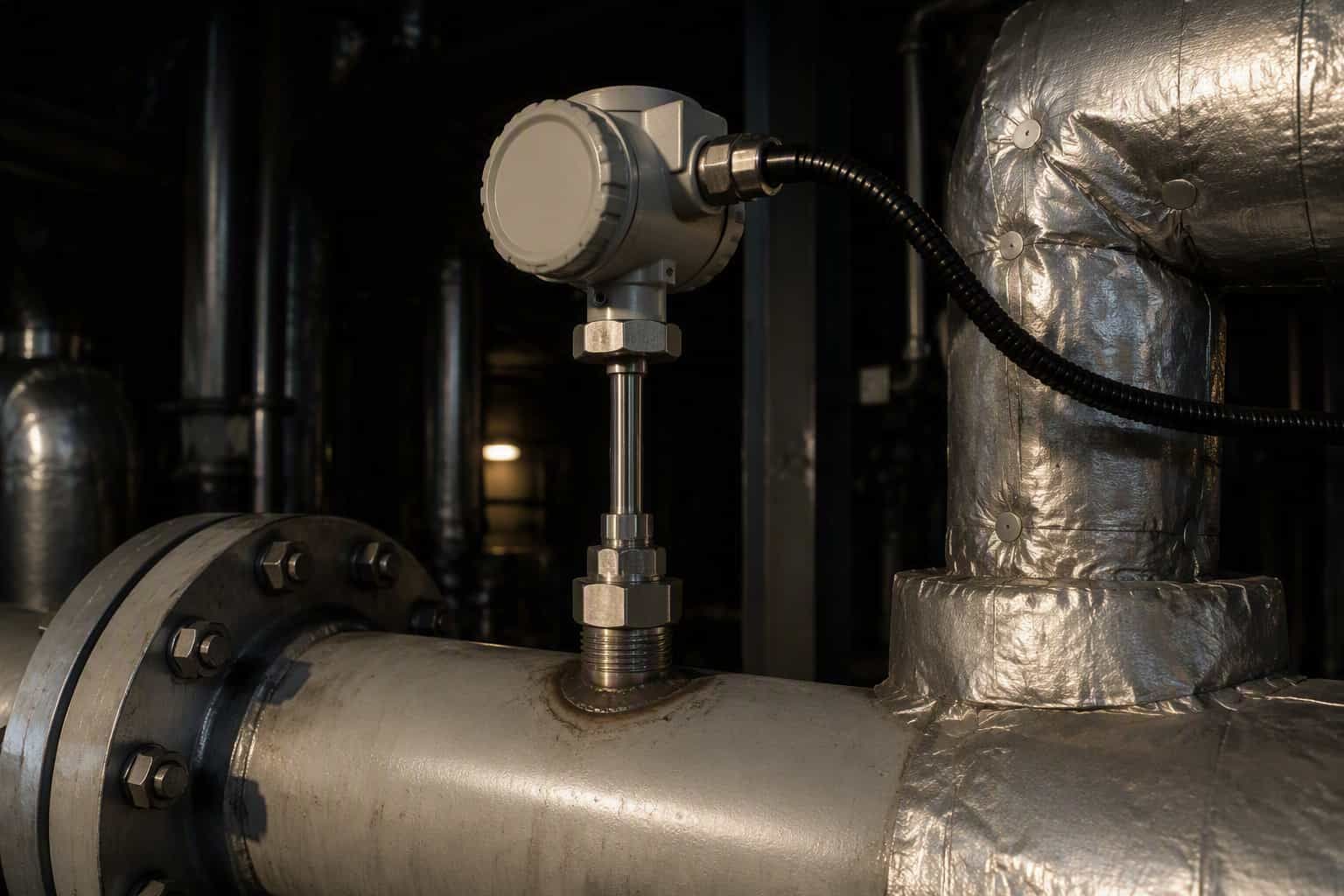
The sensor is only part of the decision: the thermowell, transmitter and installation matter just as much for a reading you can trust. We specify the whole assembly to the duty: range, accuracy, response and protection. A reading the plant can rely on is what lets a heated process run at the temperature the duty needs.
Sectors we serve
Temperature measurement, sector by sector
Range, response and protection vary by sector, and so does the assembly that suits them.
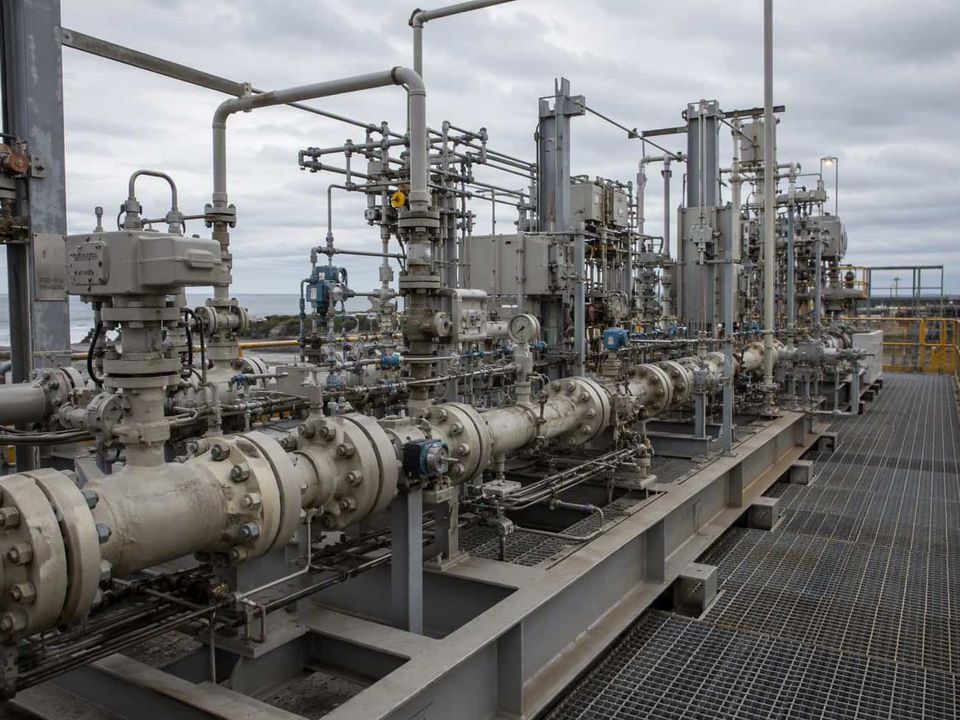
On the plant
Partners
Manufacturers whose range covers temperature measurement. Which of their products we supply depends on the duty, so send us the detail and we’ll specify to it.




FAQ
Common questions
RTD or thermocouple: which should I use?
RTDs suit accuracy and stability at lower-to-mid ranges; thermocouples suit high temperatures and fast response. The temperature range usually determines the choice.
Why does a temperature sensor need a thermowell?
It protects the sensor from the process and lets you replace it without breaking containment.
We’ll specify the temperature assembly to your duty
Send us the range, the response you need and the process conditions, and we’ll recommend the assembly that suits and quote for it.